The emergence of Steel Building Construction in India
When people think about building a house, a shop, a warehouse or an office they usually imagine a building with concrete, sand and bricks. They also think about the years of construction time it will take and the cost of the materials that might increase due to the time it takes for construction to finish. For many years this has been the standard or norm for construction throughout India. But now there is a significant revolution happening in modern architecture with the rise of steel building construction.
Steel structure construction is rapidly becoming a smart, strong, and reliable alternative to traditional concrete civil buildings and brick structures. Whatever type of building you are looking to construct, a warehouse, a multi-story commercial showroom or even a comfortable family home, it is useful to understand both construction styles. In this blog we will illustrate the various factors on which steel and civil buildings can be compared including; time, cost, safety and maintenance.
What is Traditional Civil Construction?
Civil buildings are constructed using cement, sand, rock (gravel), water and steel reinforcement rods to form columns, girders and a roof slab. Walls are built brick by brick followed by plastering, setting , curing, and finishing takes place step by step on-site.
Although civil buildings are well known and accepted as a style, it is highly dependent on elements from nature including river sand and water. It is also site labour intensive and is affected by the weather. Assessing the quality of on-site cement and/or bricks can be difficult for a private individual.
What is Steel Building Construction?
The core framework of steel buildings, also known as the main structural skeleton, comprises entirely of structural steel in the form of columns, girders and frame. Instead of building everything slowly at the construction site like traditional civil buildings, a detailed 3D structural design is done prior to laying foot on the site using specialist design programmes such as ‘Tekla’.
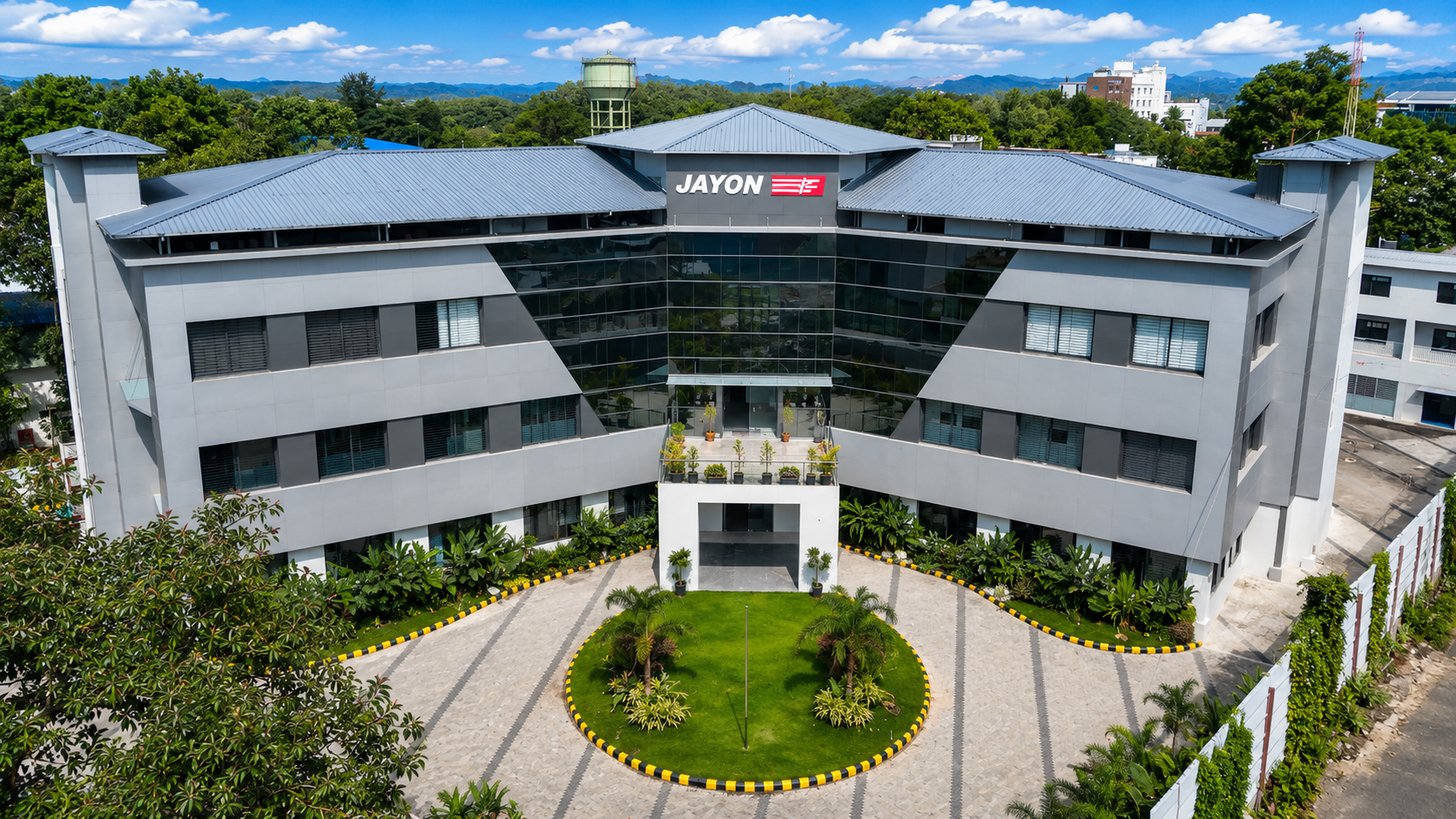
Once the designs are finalized, the steel is then 100% factory produced and is delivered to site and either bolted or erected together. Often, unlike civil buildings, modern steel buildings utilize light-weight bricks (such as AAC – Autocled Aerated Concrete) for their walls. Thus the whole building becomes significantly lighter.
7 Major Advantages of Steel Building Construction
1. Much Faster Construction Timelines:
Compared to civil buildings, steel building construction is significantly quicker. Typically, even large commercial properties would take a minimum of one year to construct using civil methods. On the other hand, efficient factory production coupled with on-site assembly means that civil groundwork and steel building can both be completed in approximately two months.
2. 15% to 20% Cost Efficiency:
Because the components are pre-engineered and assembled quickly, labor time and site delays drop sharply. When compared directly with traditional civil construction, steel buildings generally cost 15% to 20% less overall.
3. Guaranteed Factory Quality:
It can be difficult to ensure that the quality of all materials utilized in civil houses or commercial buildings is of a high standard. However, steel columns and girders are 100% factory produced and are subject to rigorous quality control. Property owners can therefore be fully assured of the quality of their building.
4. Wide Column-Free Spaces
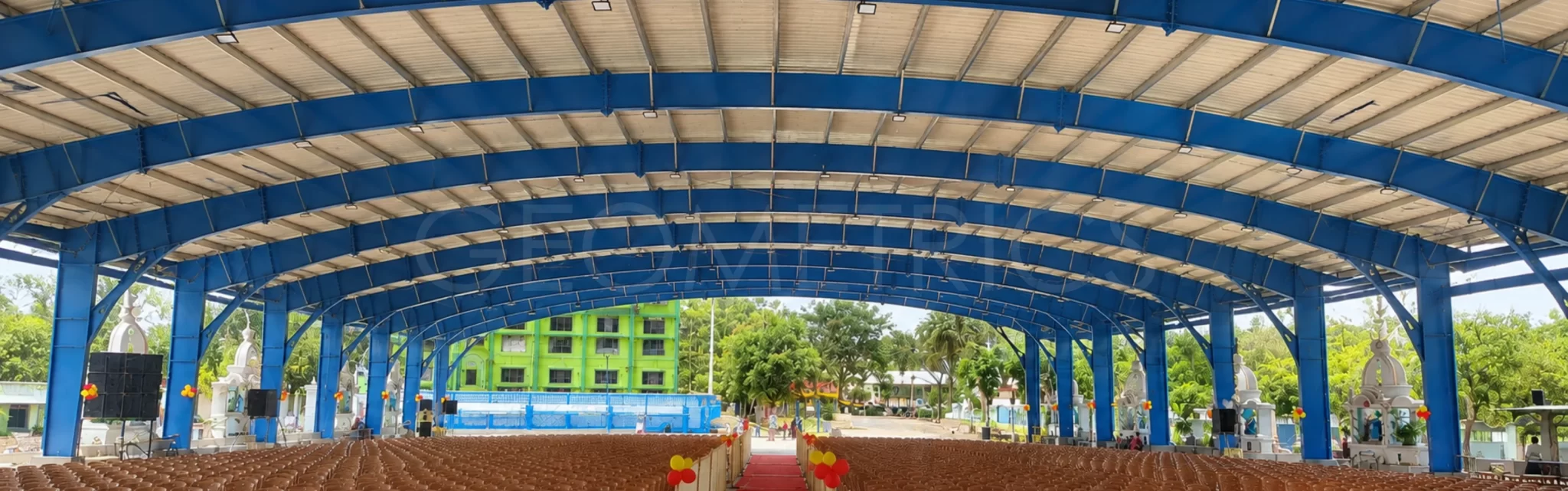
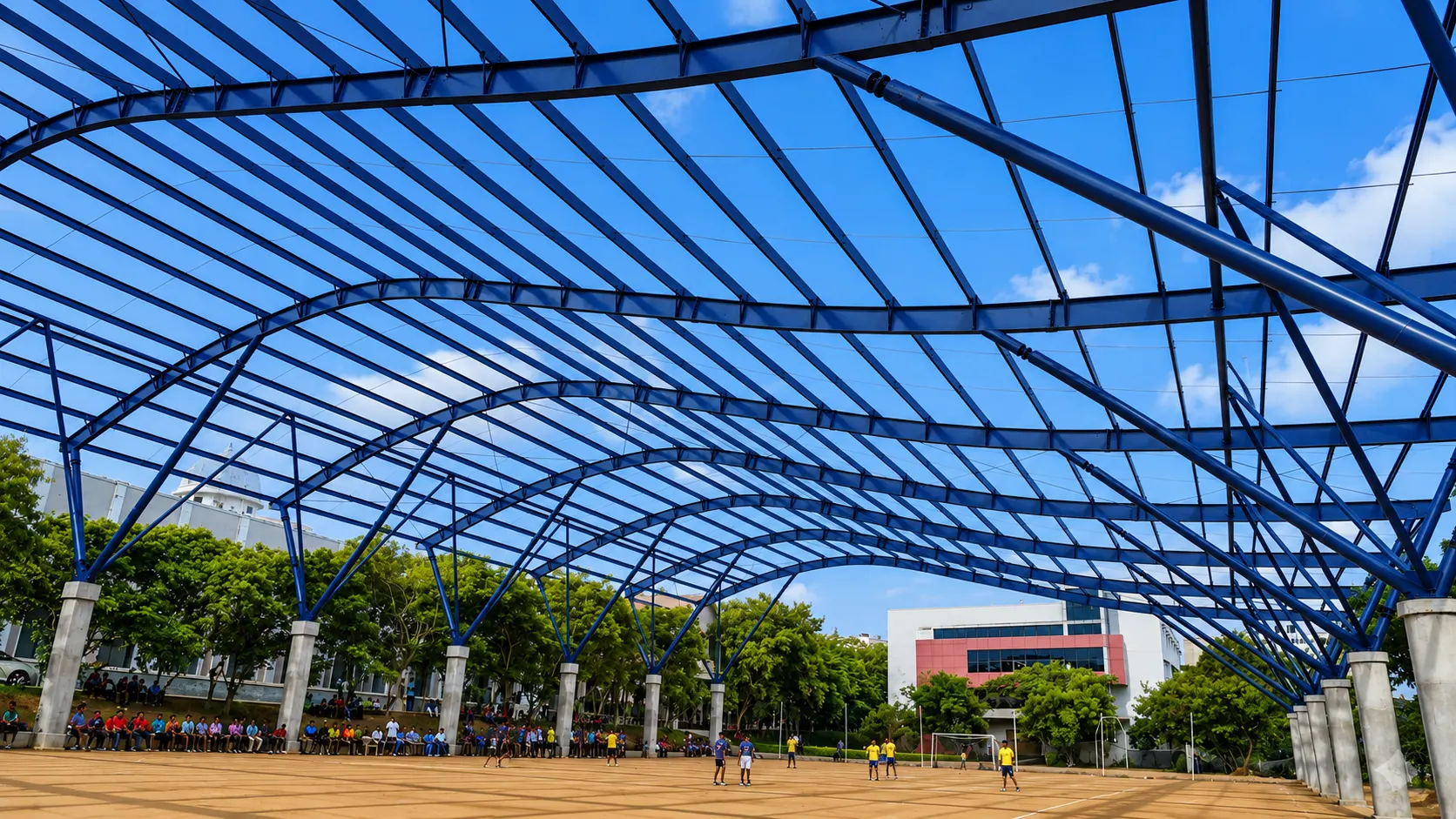
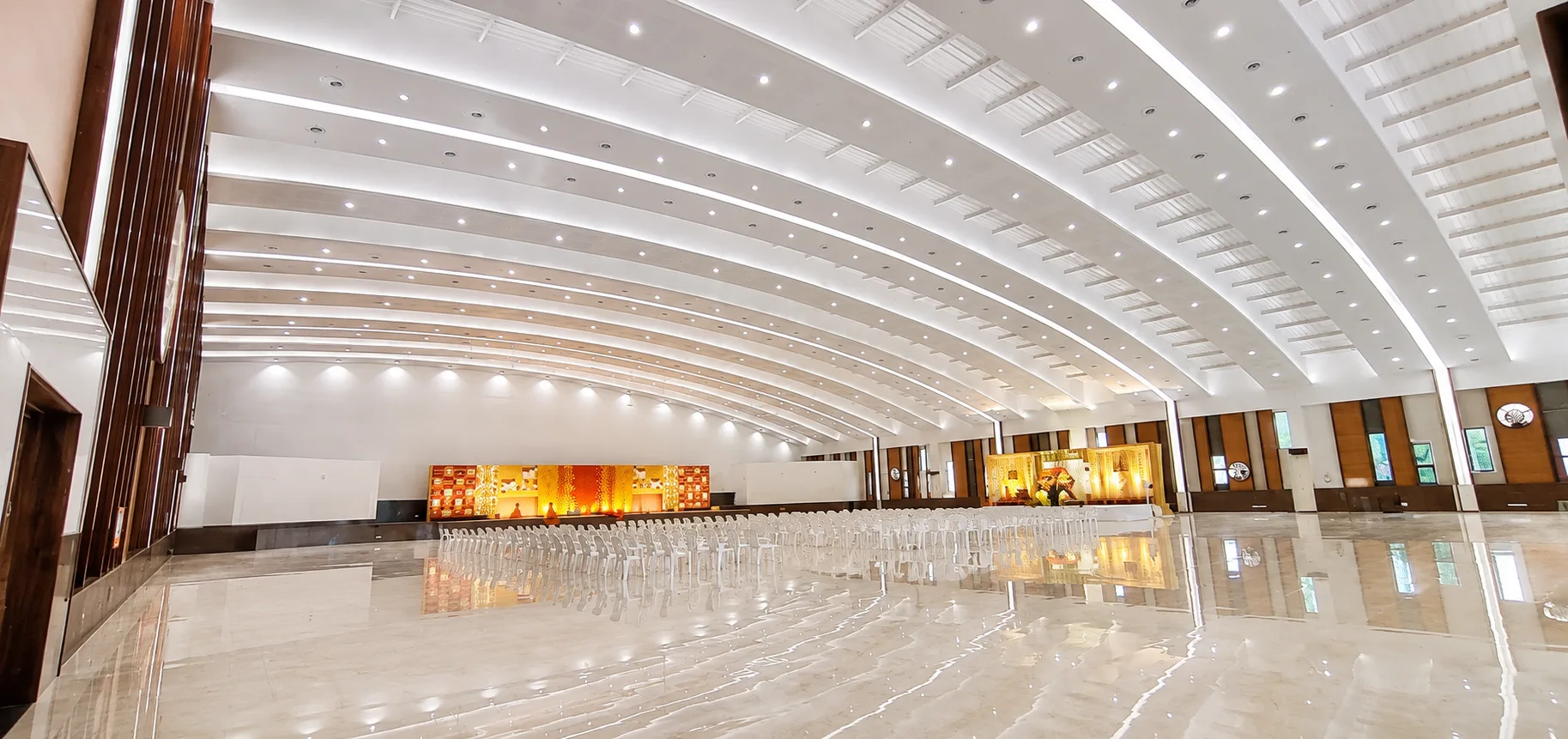
Whilst it can be difficult to achieve substantial open plan areas in civil buildings without incorporating central columns, girders become excessively large and costly if the gap (span) between two concrete columns exceeds 20 feet. Steel buildings however, readily accommodate extensive open plan areas and this is highly favorable for commercial buildings including warehouses, showrooms and malls as well as contemporary family houses.
5. Built-In Earthquake Resistance:
As previously mentioned, building owners are highly concerned about the safety of their buildings particularly in the event of natural disasters. Unfortunately, concrete’s lack of flexibility can lead to it cracking and even collapsing as a result of intense earth movement. Steel by contrast, possesses innate earthquake resistance. Under great strain it is able to flex and so does not disintegrate. Hence steel buildings perform exceptionally well in the event of an earthquake.
6. Eco-Friendly "Green Building" Benefits:
As natural resources, such as sand, become scarcer, governments are keen to promote environmentally friendly building solutions. As well as employing recyclable steel, steel buildings also incorporate factory produced light-weight bricks, thus greatly reducing environmental impact. Equally, steel buildings are ideal for integrating renewable energy (such as solar panels) and rain water collection. This in turn facilitates Green Building accreditation for instance from the Indian Green Building Council (IGBC).
7. High Scrap and Recycle Value:
Unlike concrete rubble that loses value when a building is modified decades later, steel retains its worth. Your investment stays inside the building's steel frame. Even after 30 or 35 years, the steel used in the structure can be recycled or reused at market value.
Real-World Examples: Commercial and Residential Steel Buildings
Many people assume steel is only meant for factories or sheds, but modern engineering has changed that completely.
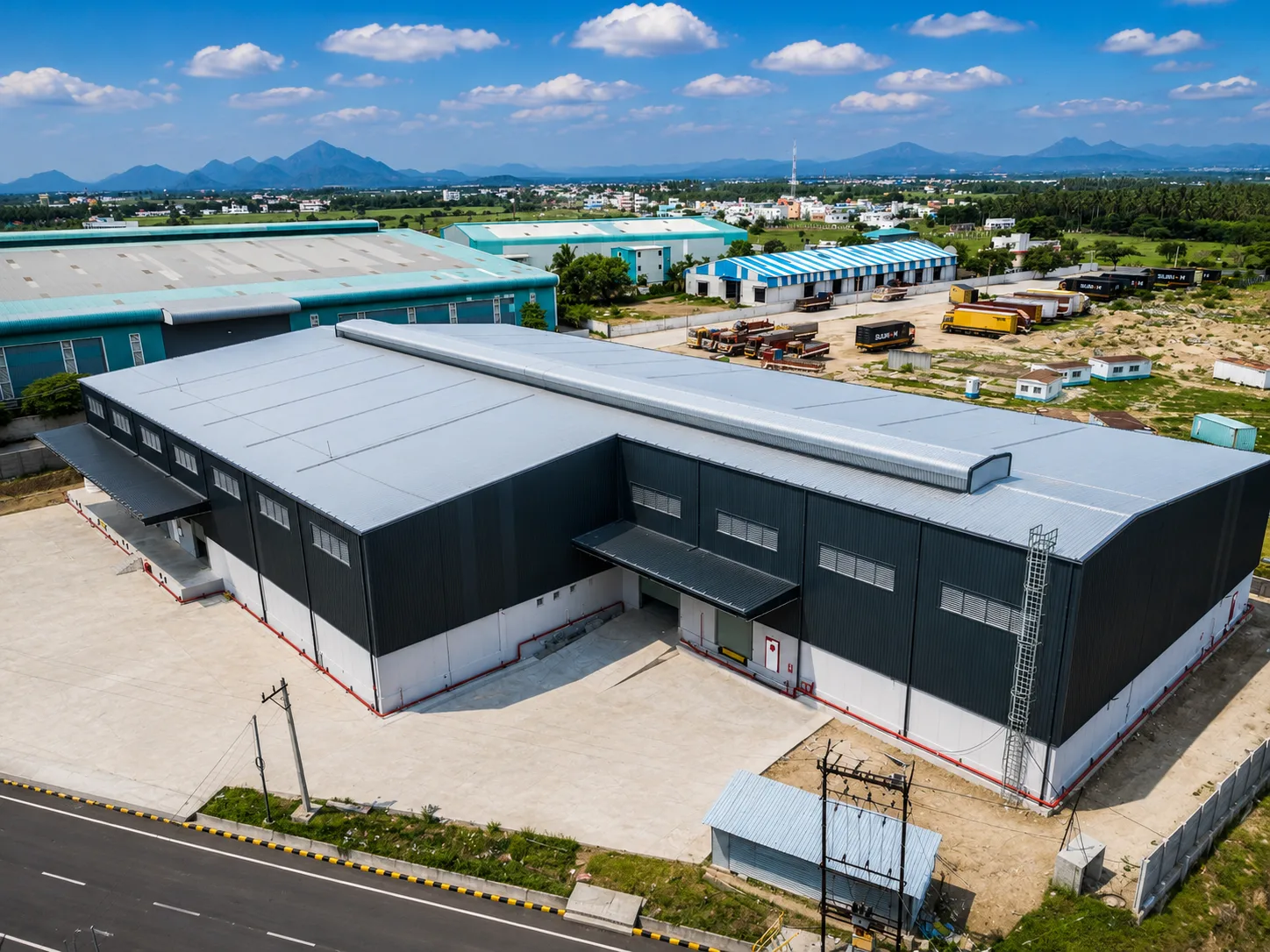
Commercial Showrooms and Warehouses:
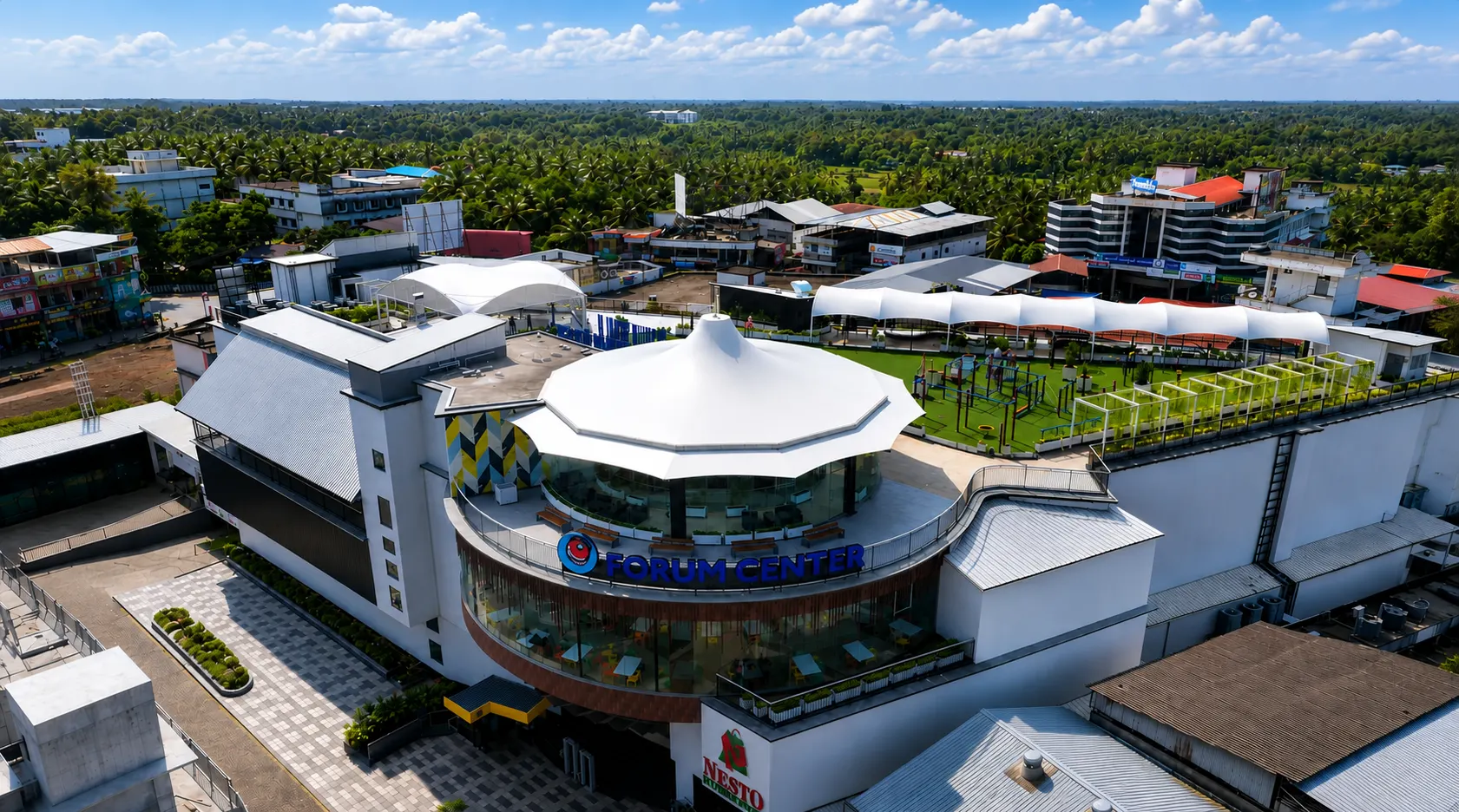
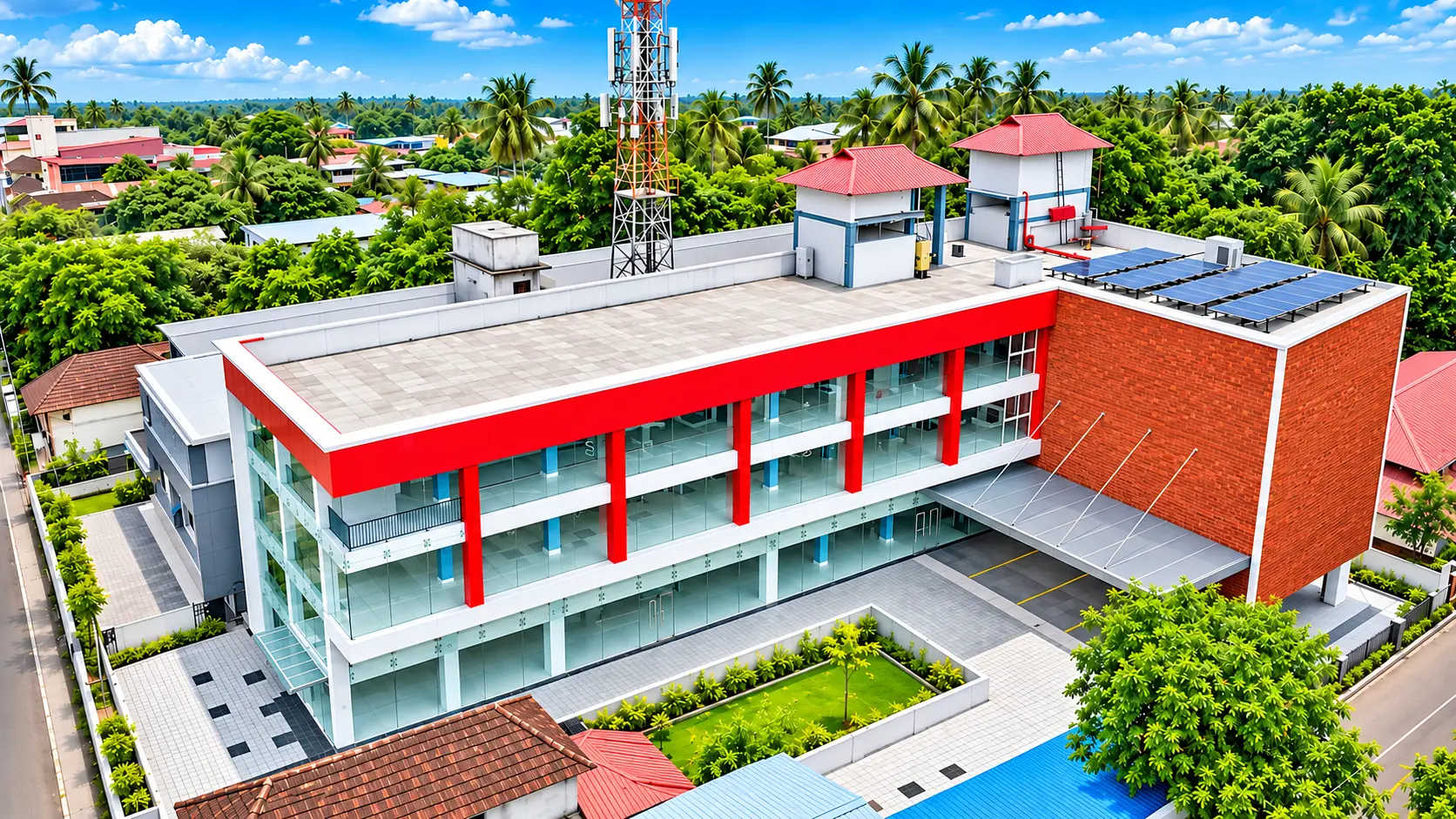
A good example of steel’s adaptability is a G+2 (Ground + 2 floors) 10,000 sq. ft. commercial building in Thrissur, Kerala. Initially designed as a civil building, the project was later converted to steel following expert advice. The first two floors constitute a contemporary office and showroom incorporating glazed windows and solar panels on the roof that supply the building’s energy requirements. The rear section serves as a spacious open-plan warehouse.
Multi-Story Malls:
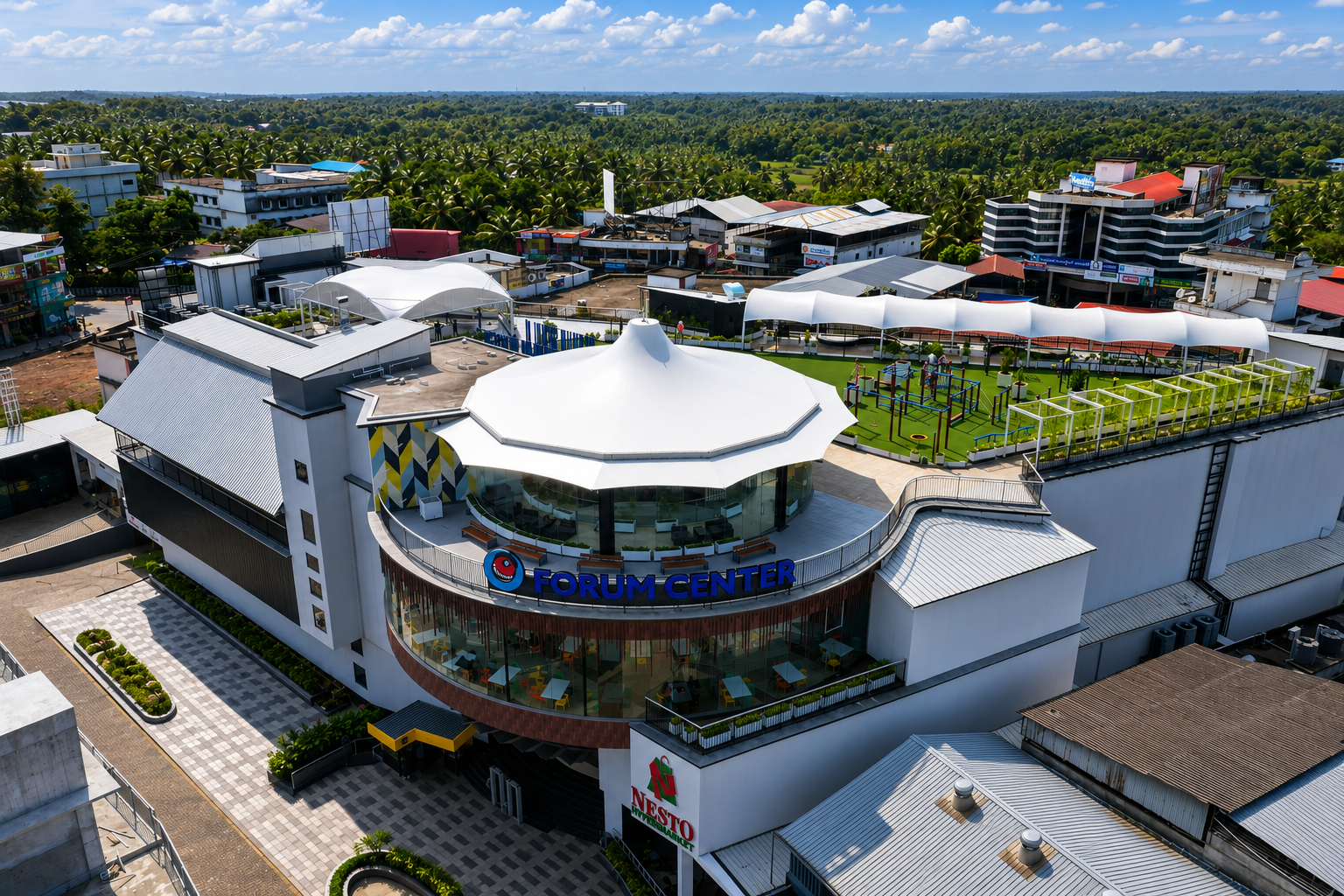
Steel structures are even being used to build large G+4 shopping malls, proving that multi-story commercial hubs can be built faster and lighter than ever before.
Comfortable Family Homes:
A 4,000 sq. ft. house has been successfully entirely constructed from steel and is just as pleasant to inhabit as a brick built house. Using AAC lightweight bricks and proper coatings, the interior stays cool and comfortable on both the ground and first floors, without feeling hot. Homeowners can even leave the steel ceiling beams exposed for a clean, modern look without needing false ceilings.
Common Questions About Steel Building Construction
Do steel buildings rust or get damaged by water?
Not if correctly treated. Structural steel is coated with 2-3 layers of specific anti-corrosive paint. Within domestic and commercial buildings, the majority of steel columns are also internally cladded within the walls. Basic maintenance is only necessary for the external steel elements. Usually, these will require re-painting after approximately 20 years, although this will depend on local climatic conditions.
Can you make changes in a steel building after construction starts?
This is an aspect where planning is of prime importance. Often during civil building, property owners request masons to modify a wall or reconfigure a room. However, as steel is precisely factory cut, electrical, pipe and spatial arrangements are fully determined in the 3D design programme prior to steel production. Consequently, once a building’s design has been finalized, structural mid-project alterations are not easily achievable.
Are municipal approvals for a steel building the same as civil buildings?
Yes. Just as with civil houses and commercial buildings, the process for obtaining planning and municipal permissions is the same for steel buildings.
Choosing the Right Partner for Your Project
Switching from traditional methods to modern steel framing works best when you partner with an experienced steel construction company. From initial 3D structural detailing and municipal licensing support to factory fabrication and on-site assembly, an established steel construction company ensures your building is delivered on time, within budget, and built to last for decades.
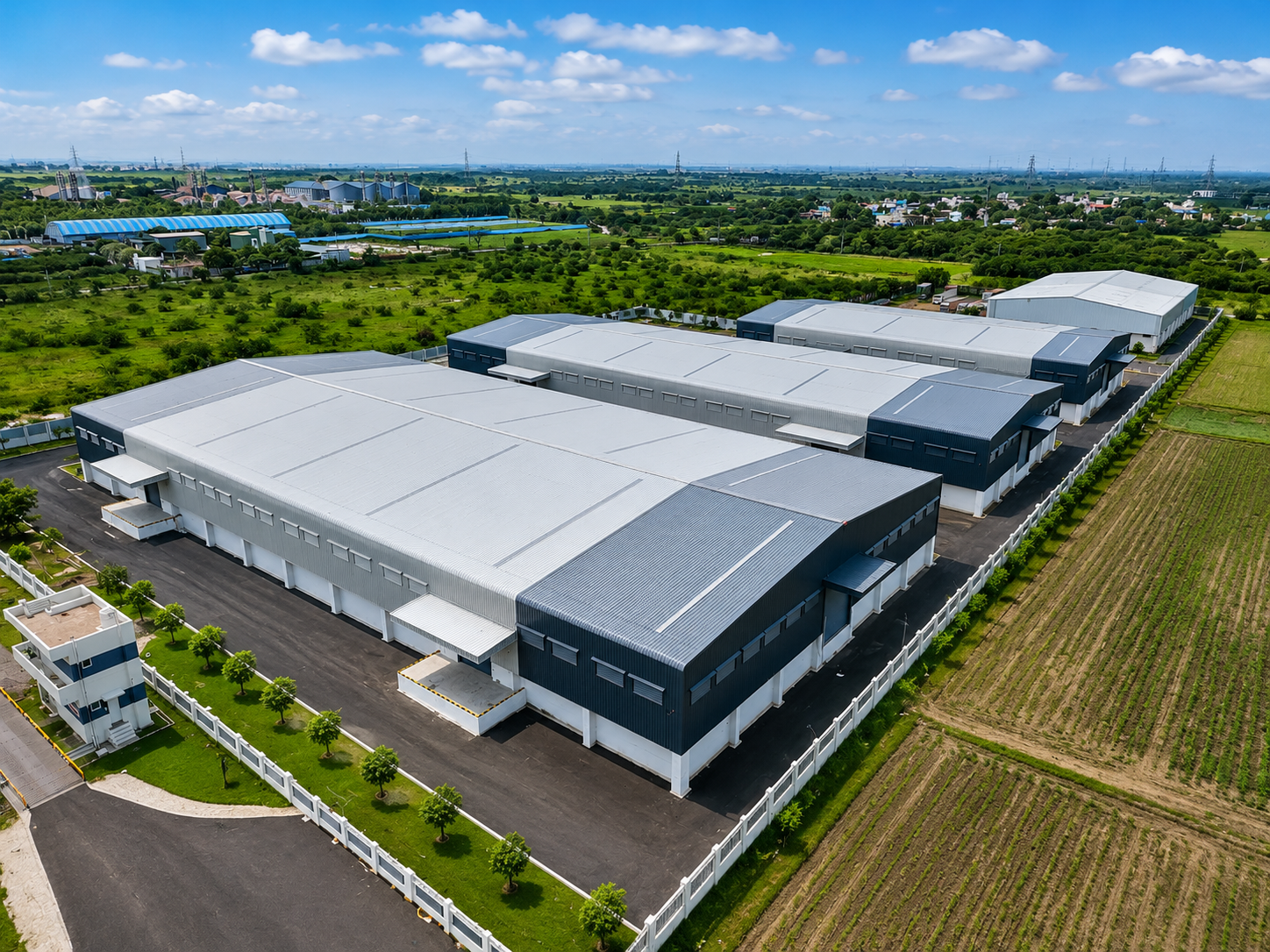
Overall, for those wishing to achieve faster building construction times , reduce expenditure and also to invest in a secure and environmentally friendly building solution, steel buildings are undeniably superior to civil buildings.
Why Choose Geometrics for Steel Building Construction?
Steel building construction works best when design, fabrication and erection are handled by one team that is accountable for the result. Geometrics offers that with 22 years of experience, 1,500+ projects and 1,300+ clients, the company has built factories, warehouses, malls, auditoriums, stadiums and homes across India.
Here is what sets the Geometrics approach apart:
One team from start to finish: design, detailing, fabrication and installation, all in-house
Proven on complex sites: tight city locations, tilted designs and long spans
Quality you can trace: inspected welds, recorded checkpoints and steel from reputed manufacturers
Planned delivery: ERP-tracked projects with components sent to site in erection order
Support after handover: an after-sales team that stays involved once the building is in use
If you are planning a factory, warehouse, commercial building or large-span structure, the next step is simple. Share your requirements with the Geometrics team and get guidance on the right steel solution for your project.
Contact Geometrics today for a consultation.
📞 +91 96140 00500